
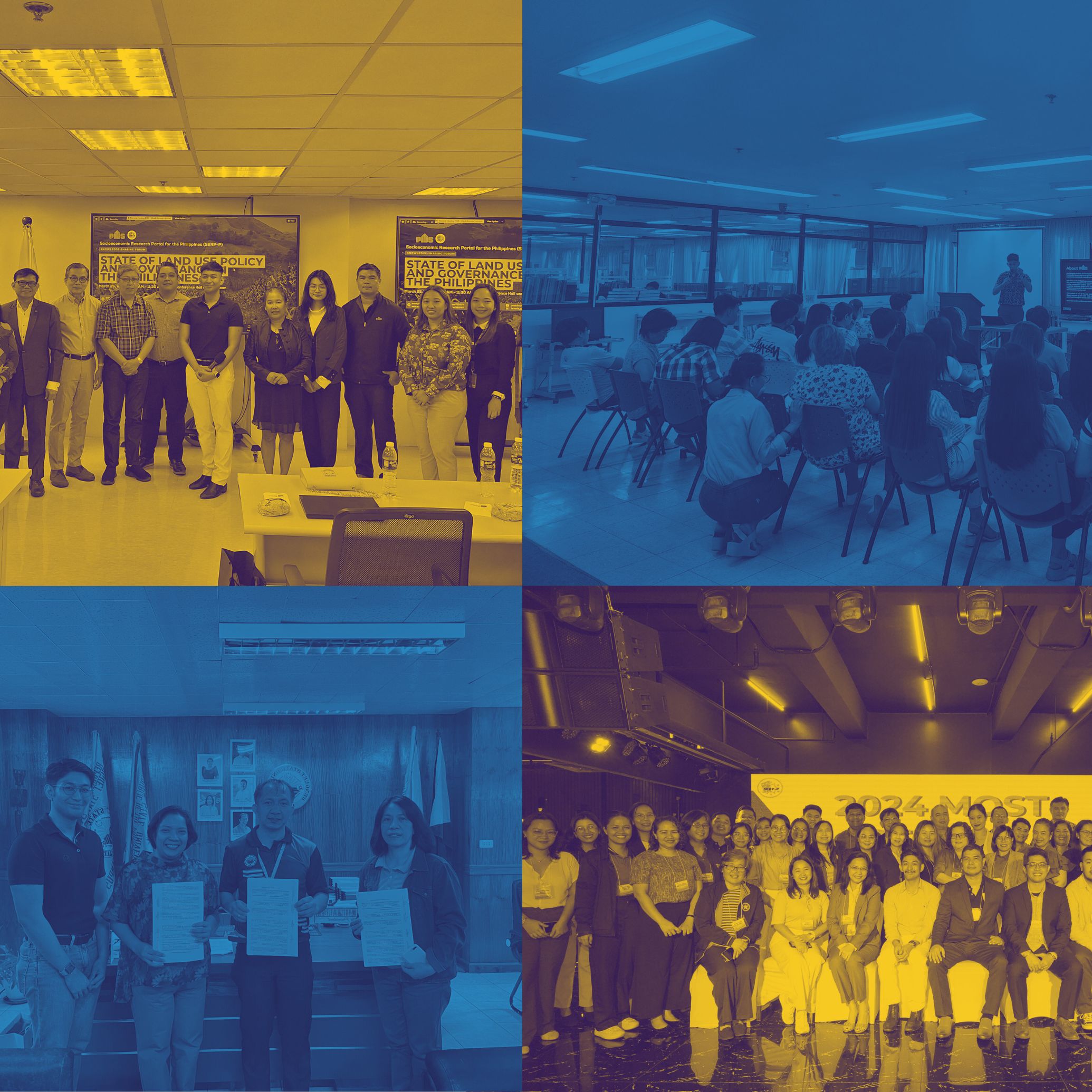
Championing Open Access: How PIDS is Bridging the Knowledge Gap through SERP-P
In today’s data-driven world, access to reliable and timely research is essential for shaping effective public policies. The Philippine Institute for Development St...
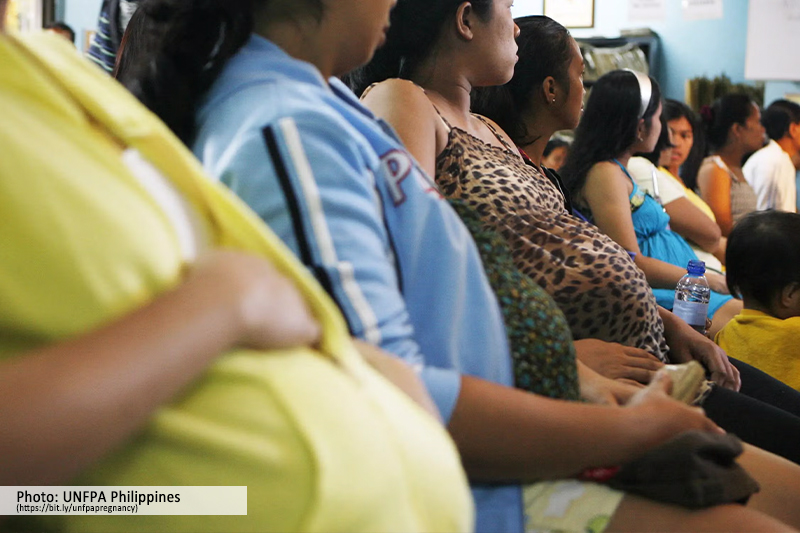
In disaster-prone communities across the Philippines, access to family planning services often becomes collateral damage during calamities, leaving many women vulnerable and without support.
An expert at a March 27, 2025 forum hosted by the Socioeco...

In 2022, only 24% of elected positions in the country were held by women, a notable decrease from 30% in 2017.
Despite progressive laws like the 1987 Constitution and the Magna Carta of Women—both of which uphold women’s equal role in ...
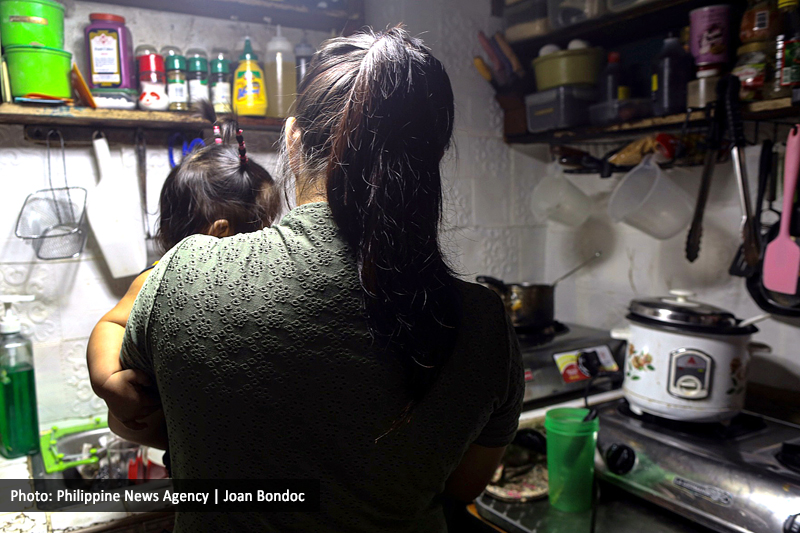
As the country wrapped up its observance of National Women’s Month, experts gathered in a hybrid forum to confront an often-overlooked issue quietly reshaping the Philippine economy and family life: unpaid housework.
Held on March 27, 2025, ...

The Socioeconomic Research Portal for the Philippines (SERP-P) of the Philippine Institute for Development Studies (PIDS), the country's first and most extensive online repository of policy research and information, has achieved significant milestone...
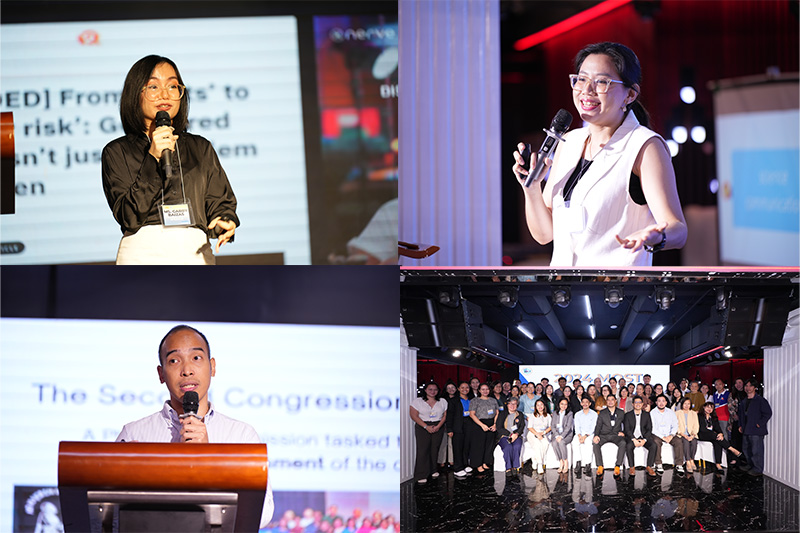
Storytelling is not just an art form but an essential tool in communicating research. This was one of the key messages conveyed during knowledge-sharing forum, “Research in Action: Transforming Research Dissemination in the Digital Age&rdq...
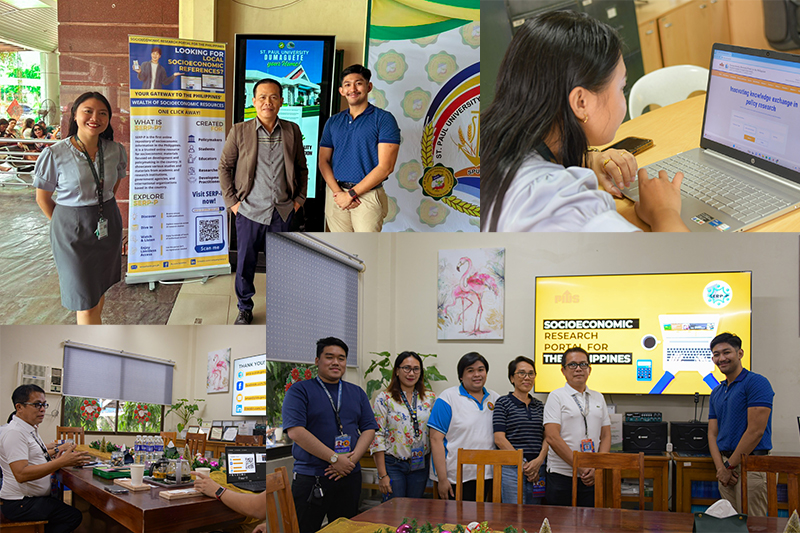
The Philippine Institute for Development Studies (PIDS), through its Socioeconomic Research Portal for the Philippines (SERP-P), has extended its reach in Dumaguete City, fostering collaborations with key academic institutions. This initiative unders...

Policy is needed to address income instability and the lack of social safety nets among gig workers. While gig workers appreciate flexibility and autonomy, their rights must be protected while allowing businesses to meet market demands without hinder...
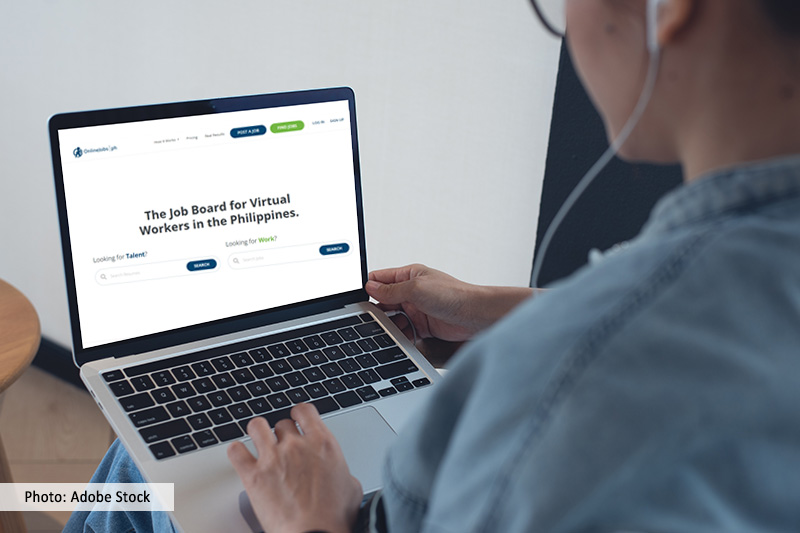
Platforms like Upwork and OnlineJobsPH have revolutionized access to freelance work in the Philippines. Clients can easily connect with a diverse pool of talent across various fields, including writing, graphic design, programming, and digital market...
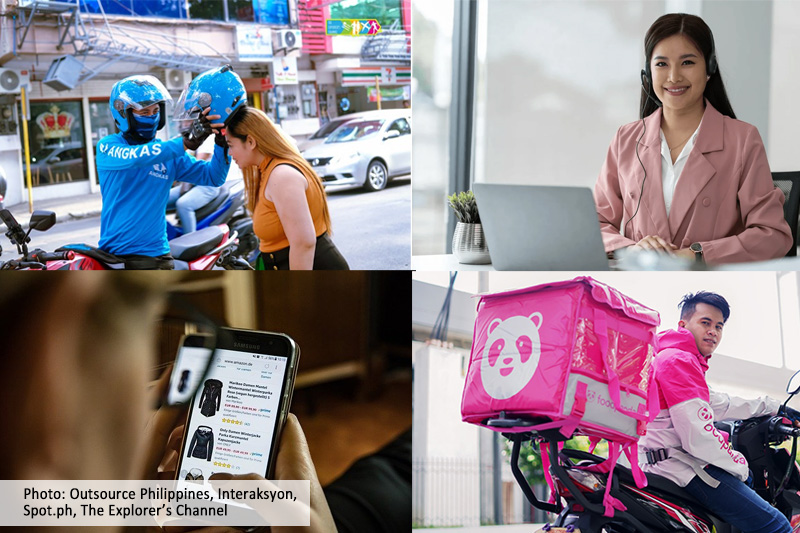
The online gig economy maintained its upward momentum since its boom, particularly in the wake of the COVID-19 pandemic. More and more Filipinos are turning to informal online work for a living, but the lack of regulations leaves workers and companie...
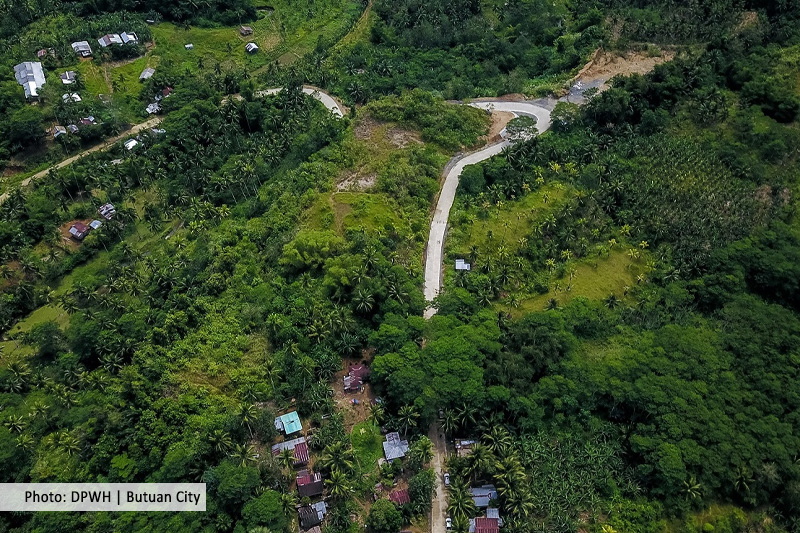
As climate change continues to threaten communities worldwide, experts advocate for integrating nature-based solutions into infrastructure planning, climate change adaptation, and disaster risk reduction efforts.
In a recent webinar hosted by the Ph...
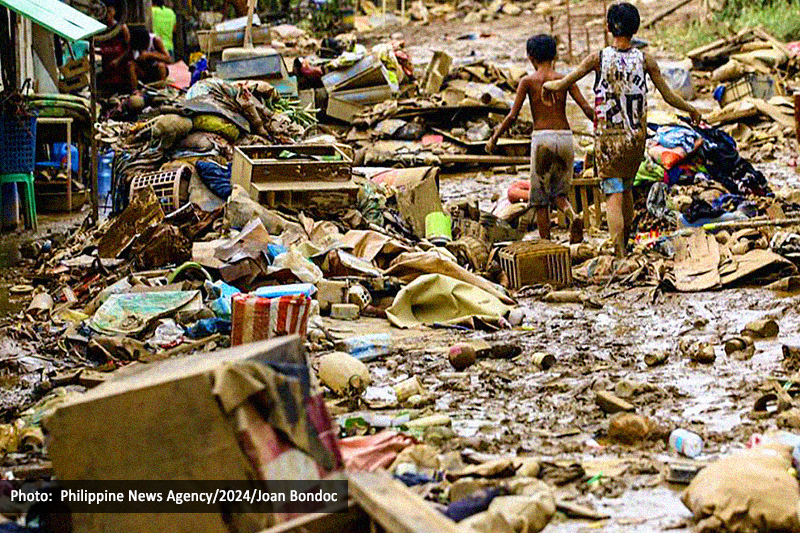
A comprehensive approach to disaster loss and damage accounting is crucial for accurately assessing the true costs of natural and man-induced calamities. This is vital for enhancing the country’s resilience amid increasing exposure and vulnerab...
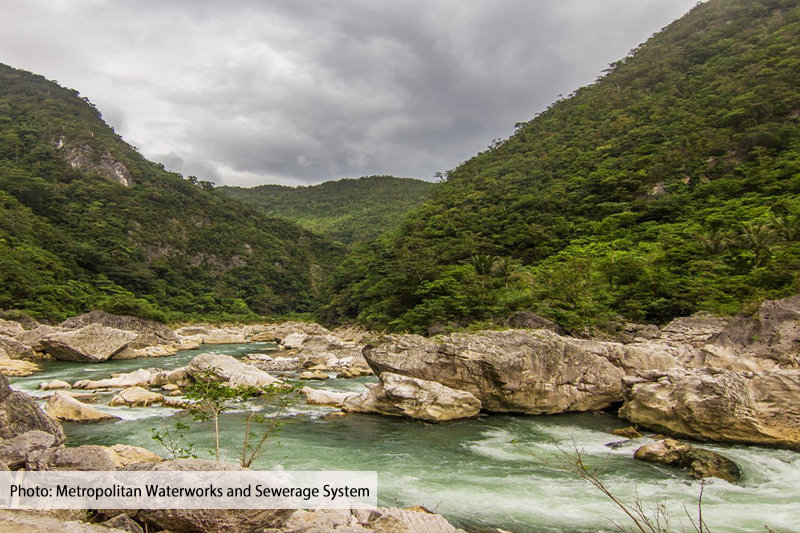
The nation has been under water stress since 2007, with current water availability ranging between 1,000 to 1,700 cubic meters per capita, according to the National Water Resource Board (NWRB). At a recent Philippine Institute for Development Studies...
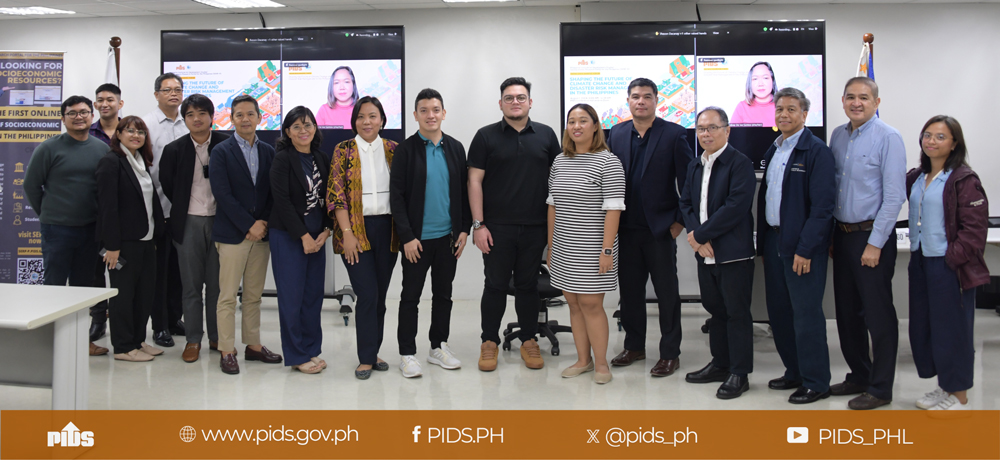
On August 1, the Socioeconomic Research Portal for the Philippines Network hosted its seventh installment, focusing on climate change, disaster risk management, and governance. Highlights included presentations from Dr. Sonny Domingo, PIDS Senior Res...
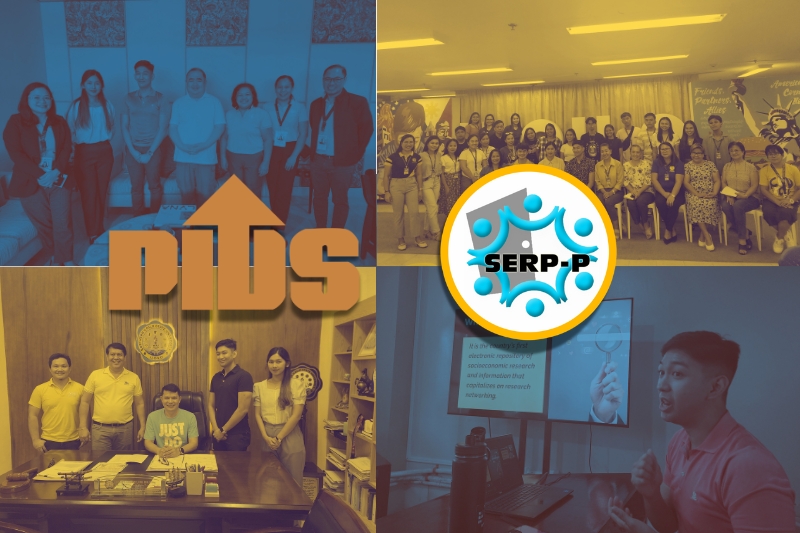
The Philippine Institute for Development Studies (PIDS) kicked off its information caravan in Western Visayas, leveraging its Socioeconomic Research Portal for the Philippines (SERP-P) and PIDS Corners networks. This initiative underscores PIDS&rsq...
Showing 1-15 of 45 items.